Urban Planning as a Career in India
Urban planning is one of the most important and rapidly growing professional fields in India today. With increasing urbanisation, expanding cities, population growth, infrastructure demands, and the need for sustainable development, the role of urban planners has become more significant than ever before.
India currently has nearly 8,000 cities and towns, more than 600 districts, and over 4,00,000 villages. According to an expert committee constituted by the Ministry of Human Resource Development (MHRD), India is expected to require nearly 3 lakh qualified town and country planners by the year 2031. However, as of 2019, the country had only around 5,000 qualified planners. This huge gap highlights the growing demand and career opportunities in the field of urban planning.
Today, many planning-related responsibilities are often handled by professionals from other disciplines such as architecture, civil engineering, or geography. While these professionals contribute significantly, there remains a strong need for trained and qualified urban planners who specialise specifically in planning cities and regions in a scientific and sustainable manner.
- What is Urban Planning?
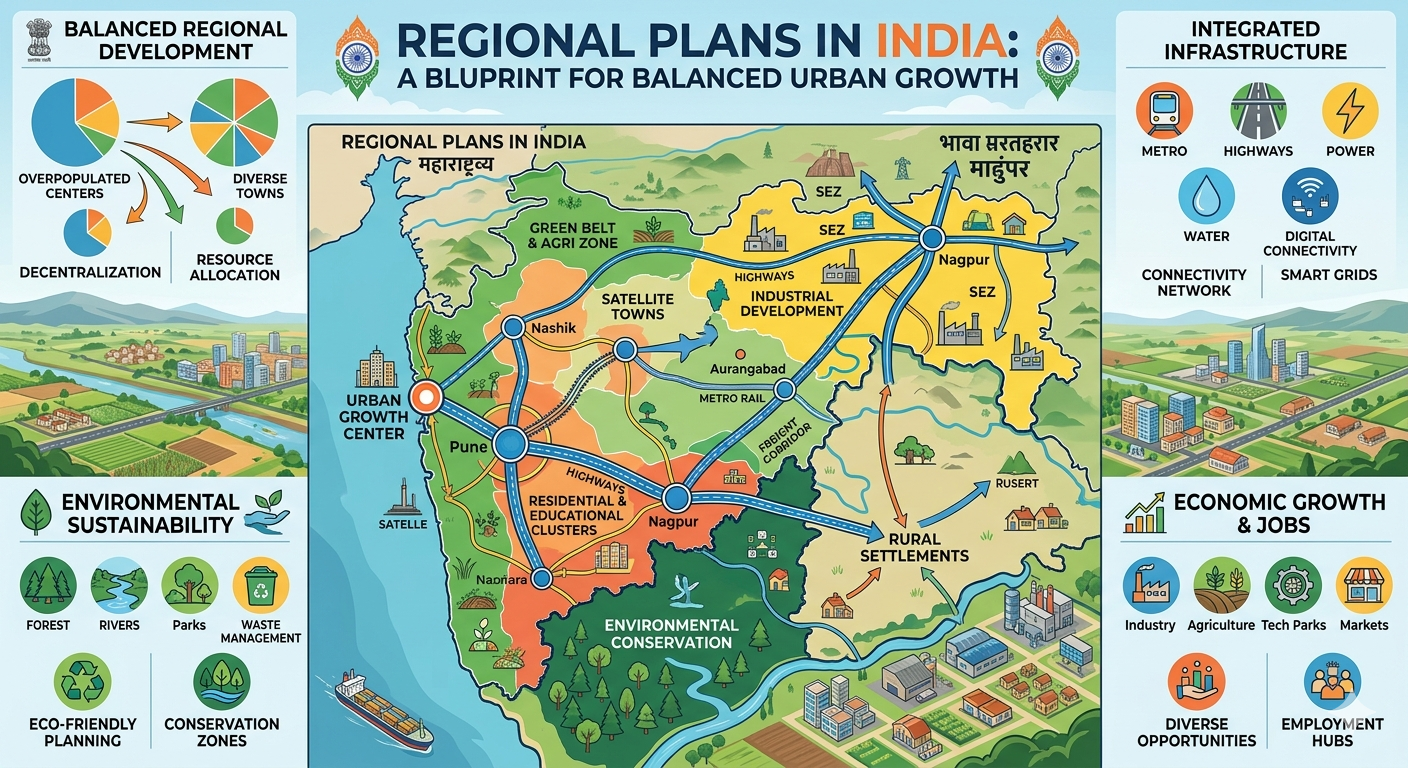
Urban planning, also known as town planning, city planning, or urban and regional planning, is the process of planning and managing the physical development of cities, towns, and regions. It involves designing land use patterns, transportation systems, housing, infrastructure, environmental protection measures, and public spaces in a way that improves the quality of life for people.
Urban planners aim to create sustainable, efficient, inclusive, and liveable communities by balancing social, economic, and environmental needs.
Professionals working in this field are known by different titles such as:
- Urban Planner
- Town Planner
- City Planner
- Regional Planner
- Town and Country Planner
Although the terminology may differ, the core objective remains the same — planning better cities and communities for the future.
- Who is a Town Planner / Urban Planner?
A town planner is a professional responsible for planning and managing the growth and development of urban and rural areas. They work as a bridge between public authorities, government agencies, and the needs of local communities.
Urban planners study population trends, land use patterns, infrastructure requirements, environmental concerns, transportation systems, and housing demands. Based on these studies, they prepare development plans and propose the most suitable use of land and resources.
In simple words, a planner ensures that cities grow in a systematic, sustainable, and organised manner while providing essential services and infrastructure to people.
Their work includes planning for:
- Roads and transportation networks
- Housing and neighbourhoods
- Water supply and sanitation
- Parks and open spaces
- Commercial and industrial areas
- Environmental conservation
- Public infrastructure and services
How to Become a Town Planner / Urban Planner in India?
There are multiple pathways to enter the field of urban planning in India. Students from different educational backgrounds can pursue this career.
- 1. Pursue Bachelor’s Degree in Planning After Class 12
The most direct pathway is to pursue a Bachelor of Planning (B.Plan) degree after completing 10+2.
- Eligibility:
- Students from any stream can apply (Science, Commerce, or Arts)
- Mathematics is generally compulsory at the 10+2 level
- Minimum 50% marks are usually required
- Popular Undergraduate Courses:
- Bachelor of Planning (B.Plan)
- B.Tech in Urban Planning
- B.Plan in Urban and Regional Planning
- Entrance Examinations:
Admission is generally based on entrance exams such as:
- JEE Main Paper 2 (B.Plan)
- NATA (in some institutes)
- State-level entrance examinations
- University-specific entrance tests
Alternative Pathways to Enter Urban Planning
Students can also enter the planning profession through related disciplines and later pursue a Master’s degree in Planning.
Relevant Undergraduate Degrees:
- Bachelor of Architecture (B.Arch)
- B.E./B.Tech in Civil Engineering
- B.A./B.Sc in Geography
- Sociology
- Economics
- Environmental Studies
- Law (for certain specialised planning courses)
After completing graduation in these fields, students can pursue:
- M.Plan (Master of Planning)
- M.Plan in Urban Planning
- M.Plan in Transport Planning
- M.Plan in Environmental Planning
- M.Plan in Housing
- M.Plan in Regional Planning
Students interested in academics or research can further pursue a PhD in Planning or related specialisations.
- Skills Required to Become a Successful Urban Planner
Urban planning is a multidisciplinary field that requires both technical and interpersonal skills.
- Technical Skills:
- GIS and spatial analysis
- AutoCAD and planning software
- Data analysis and mapping
- Understanding of zoning and development regulations
- Knowledge of environmental planning
Soft Skills:
- Communication and presentation skills
- Problem-solving ability
- Critical and analytical thinking
- Teamwork and leadership
- Community engagement skills
What Does an Urban Planner Do?
Urban planners perform a wide range of responsibilities related to the development and management of cities and regions.
- Major Roles and Responsibilities:
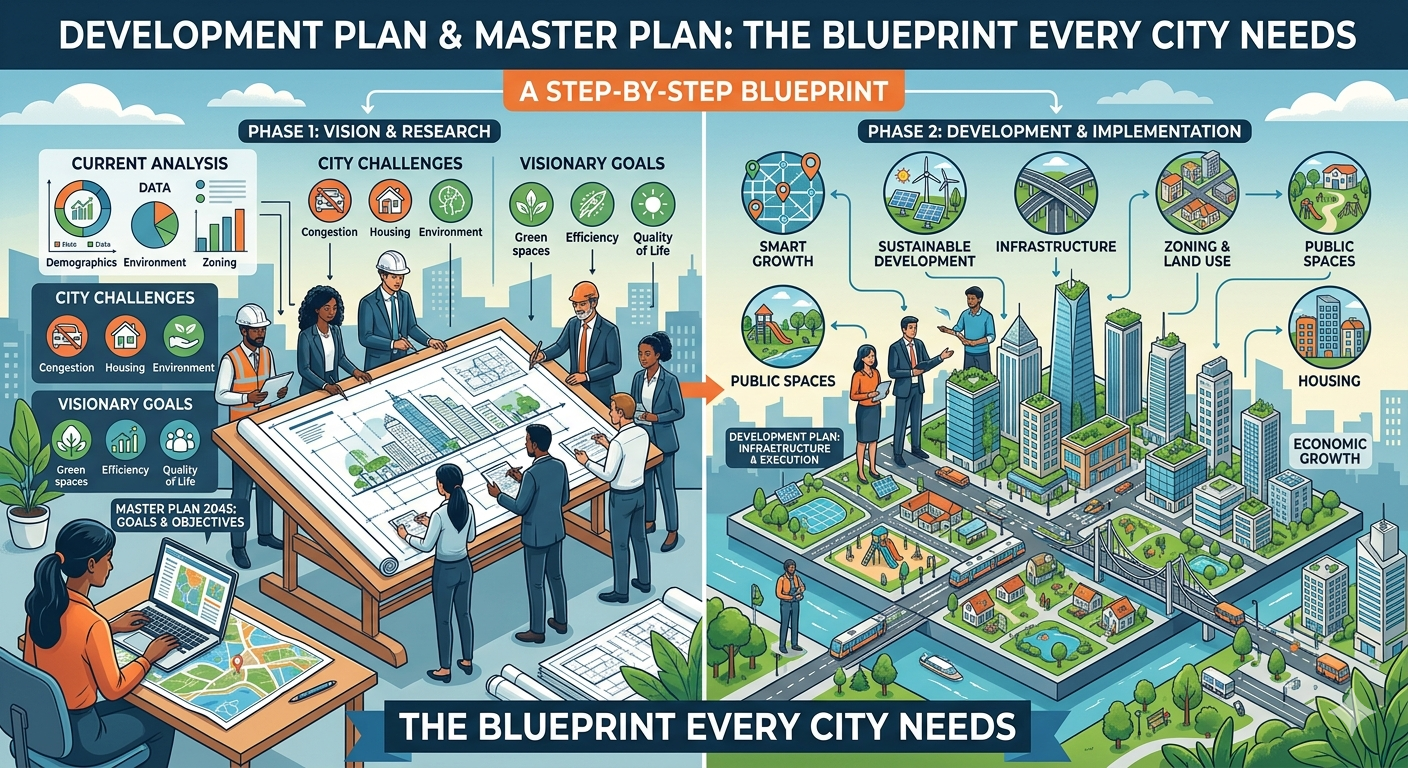
- Preparing development plans and master plans
- Conducting surveys and data analysis
- Planning transportation systems and infrastructure
- Managing land use and zoning regulations
- Ensuring environmental sustainability
- Conducting public consultations
- Working with government departments and consultants
- Planning affordable housing and community facilities
- Revitalising old urban areas
Urban planners use tools such as GIS, AutoCAD, mapping software, and urban analytics to support planning decisions.
- Career Opportunities in Urban Planning
Urban planners have diverse career opportunities in both public and private sectors.
- Government Sector:
- Town Planning Departments
- Smart City Missions
- Development Authorities
- Municipal Corporations
- Metropolitan Planning Agencies
Private Sector:
- Urban Planning Consultancy Firms
- Infrastructure Companies
- Real Estate Development Firms
- Environmental Consulting Agencies
Other Opportunities:
- NGOs and Community Development Organisations
- International Agencies
- Research Institutions
- Academic and Teaching Careers
Salary and Future Scope
Urban planning offers excellent long-term career prospects due to increasing urbanisation and infrastructure development in India.
- Average Salary in India:
- Entry-Level: ₹4–6 LPA
- Mid-Level: ₹7–12 LPA
- Senior-Level: ₹15–25 LPA
Professionals with expertise in GIS, transport planning, environmental planning, and smart city development are especially in demand.
With government initiatives such as Smart Cities Mission, AMRUT, PM Gati Shakti, and sustainable urban development programs, the future scope of urban planning in India is extremely promising.
- Conclusion
Urban planning is a highly impactful and rewarding profession that combines technology, design, sustainability, public policy, and social development. It offers an opportunity to shape the future of cities and improve the lives of millions of people.
Students interested in infrastructure, city development, sustainability, transportation, housing, and community welfare can build a successful and meaningful career in this field. With the growing need for qualified planners in India, urban planning is emerging as one of the most promising career options for the coming decades.